
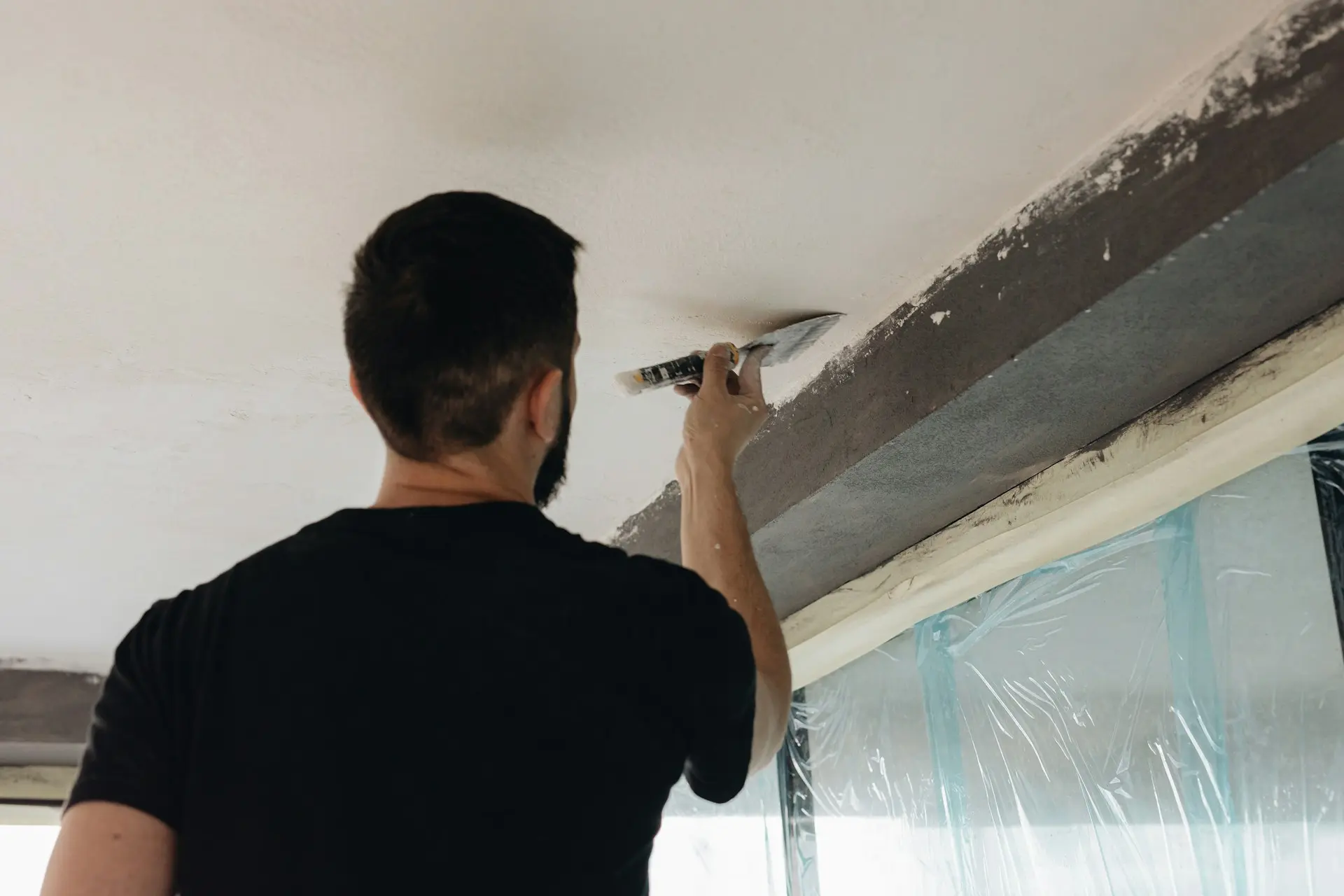

Ceiling damage affects the structural stability as well as the interior appearance of a property. Issues such as impact damage, water intrusion, settlement cracks and prolonged accumulation of moisture require a professional’s oversight to prevent further deterioration. Hiring an experienced Drywall Contractor in Fairfield, IA, ensures that the damaged ceiling is accurately assessed and repaired using the appropriate materials.
The Common Causes of Ceiling Damage
A damaged ceiling originates from several structural and environmental factors. A comprehensive assessment ensures that repairs address both the source of the problem and the affected drywall system.
Some of the common causes of ceiling deterioration include:
i. Roof leakage
ii. Plumbing failures from the upper floor’s pipeline or attic space
iii. Excess humidity
iv. Structural movement of the building
v. Accidental impact to the ceiling during renovations or moving large furniture
vi. Deteriorated joint compounds of drywall
How Do Professionals Inspect Ceiling Damage Before Repairs?
A drywall contractor in Fairfield, IA, conducts a systematic inspection to understand the extent of the damage and identify any underlying structural concerns. The inspection process typically includes examining visible cracks, stains or surface deformation. They also measure moisture levels using professional detection equipment.
Along with basic checks, professionals also look for any signs of mold growth and prolonged moisture exposure. They also assess whether a specific section requires repair or complete panel replacement.
The Step-by-Step Ceiling Drywall Repair Process
Repairing damaged ceiling drywall typically involves three main steps. Here is a brief look at each step:
Removal of Damaged Material
Before removing the damaged materials, contractors isolate the work area to reduce dust and protect the surrounding finishes. They also look for any exposed framing and clean the repair area so that the installation process remains smooth from start to finish.
Installation of New Drywall Panels
To replace the affected area, contractors first determine the correct drywall thickness and panel dimensions. The drywall is cut to the required dimensions before installation.
Final Steps
After installing the drywall panel, the contractor uses drywall tape for all joints and applies layers of joint compound. The contractor sands between coats to achieve a smooth finish. Also, the repaired area is textured to match the surrounding ceiling, if needed. Finally, the contractor applies primer to the repaired area to improve paint adhesion.
Why Are Professional Ceiling Repairs More Efficient?
A professional drywall contractor in Fairfield, IA, has the technical expertise to select and apply the appropriate repair materials. Professional craftsmanship has various benefits that include the following:
i. Determines concealed damage that goes beyond the visible area
ii. Chooses repair materials that suit the specific repair job
iii. Achieves consistent joint finishing that prevents seams from being visible
iv. Improves the crack-resistance of the ceiling
v. Better texture matching of the repaired area
How to Choose a Contractor for Ceiling Repairs?
The evaluation of the qualifications of the contractor prior to hiring will help you ensure that the repairs have been done professionally. Some of the important things you should consider when choosing a contractor for the ceiling repairs include the following:
i. Experience repairing ceilings in residential and commercial properties
ii. Proper licensing and insurance
iii. Portfolio that shows completed repair projects
iv. Ability to perform various ceiling textures and finishes
Final Thoughts
Efficient ceiling drywall repairs require accurate assessment, proper repair methods, and precise finishing. Every step of the ceiling repair process affects the final result. Hiring a qualified drywall contractor allows you to protect the structural integrity of the ceiling, as well as its aesthetics and the value of the property.