
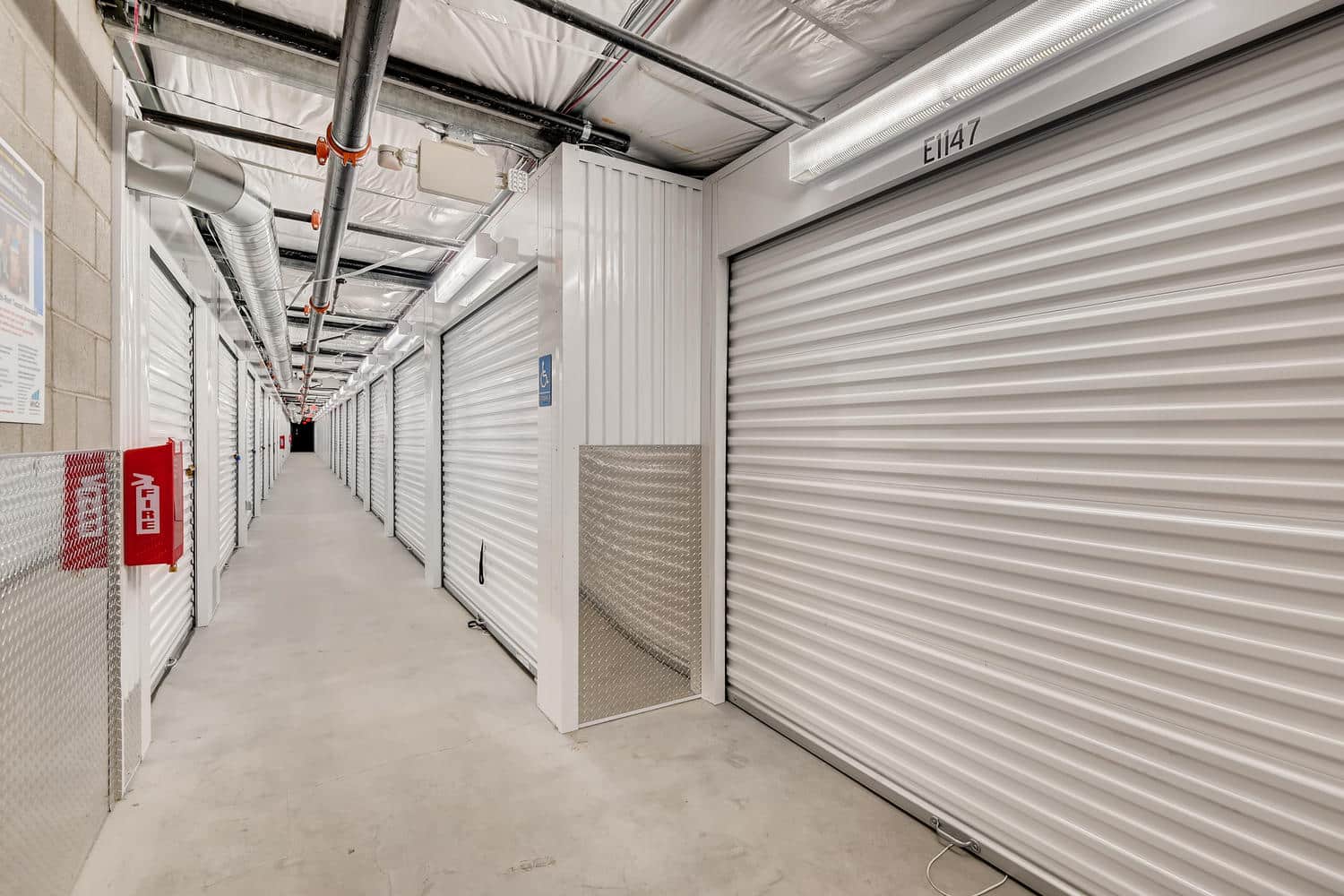

Las Vegas moves fast, and so do the people who live here. Between seasonal furniture, holiday decorations, and the odd collection of things you swear you will use again someday, most homes in the valley run out of room a lot quicker than anyone expects. That is usually the moment people start looking into storage units Las Vegas has to offer, since renting a unit is often cheaper and less stressful than trying to cram everything into a garage that already has a car in it.
Before booking anything, it helps to think about how often you will actually need access to your things. Some people only need a spot to tuck away boxes for a few months during a move, while others want a long-term space for business inventory or seasonal gear. If you are in the middle of relocating, a good full guide to planning a household move can help you figure out timing, packing order, and what to do with items you are not ready to part with but do not want cluttering your new place either.
Size is where most first-time renters get tripped up. A unit that looks big enough in photos can feel cramped once boxes, furniture, and awkwardly shaped items are actually inside it. A general rule of thumb is to slightly overestimate, since paying a little more for extra breathing room is far less annoying than realizing halfway through move-in day that nothing else fits. Staff at most facilities are happy to walk new renters through sizing questions over the phone, which saves a wasted trip.
Location matters just as much as size, especially in a city as spread out as Las Vegas. A facility a few minutes from home or work will get used far more often than one across town, simply because convenience wins when life gets busy. If your plans include visiting the valley for other reasons, it is worth reading a bit about Las Vegas neighborhoods and attractions so you can pick a storage location that fits naturally into routes you already drive.
Security is another factor that deserves real attention rather than a quick glance. Gated access, individually alarmed units, and working cameras are not extras; they are the baseline for anyone storing things they actually care about. It is worth walking the property in person if possible, since lighting and general upkeep tend to say a lot about how a facility is run day to day.
Price naturally plays into the decision too, but the cheapest listed rate is not always the best deal once fees, insurance requirements, and move-in specials are factored in. Reading the fine print on a contract takes a few extra minutes but can save real money and frustration later.
At the end of the day, choosing a storage unit comes down to matching your needs with a facility that is secure, sized correctly, and easy to get to. Taking the time to compare a few options before signing anything usually pays off, since switching units later is far more of a hassle than picking well the first time.