
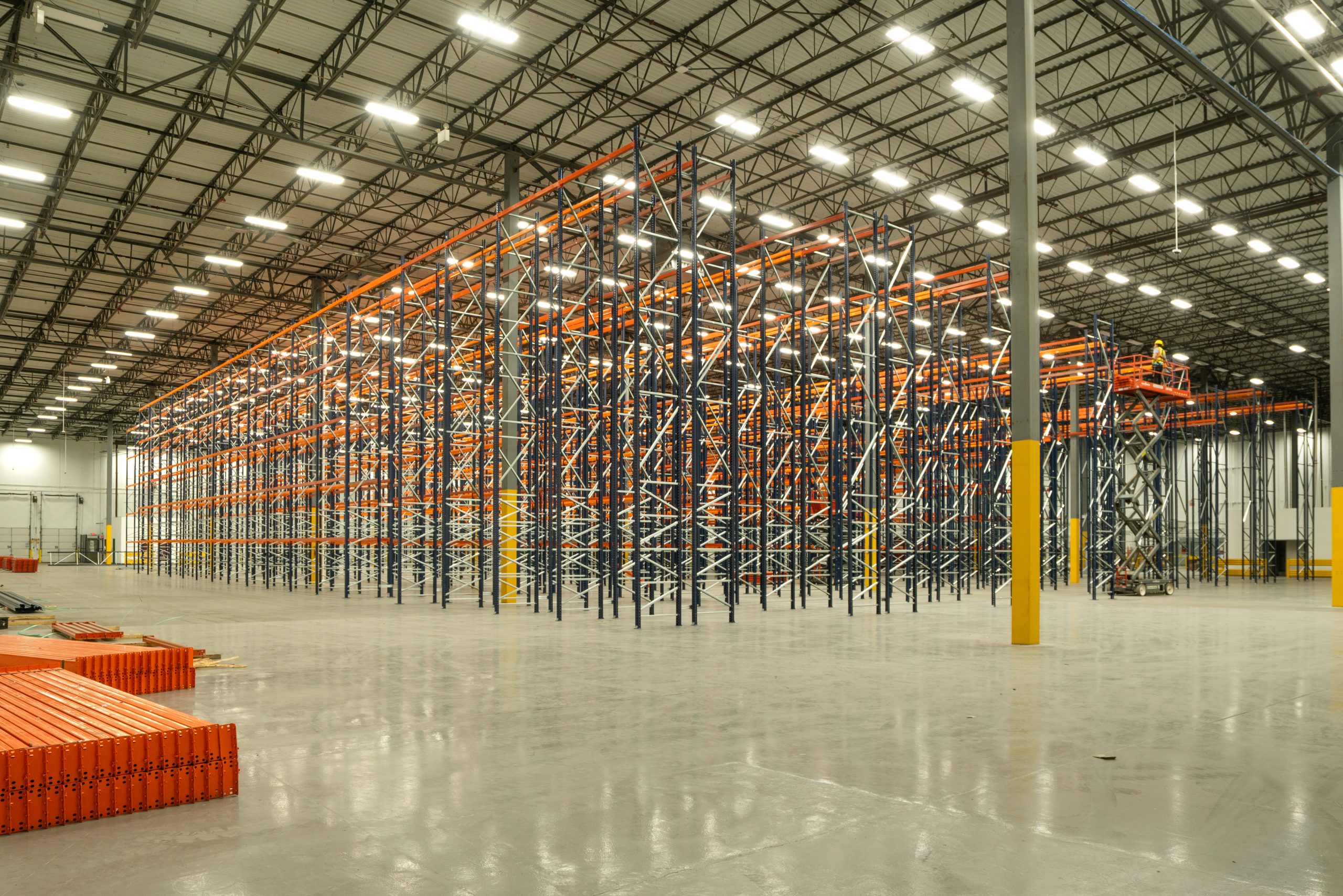

Anyone who has walked through a busy distribution center knows that the racking system holding everything together is often the most overlooked part of the whole operation. It sits quietly in the background until something goes wrong, and by then the cost of fixing it is usually far higher than the cost of planning it correctly in the first place. Businesses searching for reliable warehouse racking Southern California companies trust tend to discover quickly that the right setup changes everything from how fast orders get picked to how safely employees move through the building each day.
Space is almost always the first concern for a growing operation, since square footage in most industrial areas comes at a steep price. A smart racking layout lets a business store significantly more product without expanding the building itself, simply by making better use of vertical space and narrowing the aisles where it makes sense to do so. Rack safety standards guidelines note that height and load planning should always be handled by someone who understands structural limits, because pushing a system beyond its rated capacity creates risk that no amount of efficiency is worth taking on.
Safety naturally follows right behind space planning, and it deserves just as much attention as the layout itself. Federal warehouse safety guidance points out that falling stock, unstable shelving, and forklift collisions with rack columns are among the most common causes of injury in distribution facilities. Choosing a system built to the correct specifications and having it inspected regularly is not just a box to check; it genuinely protects the people working underneath and around it every single day.
Flexibility matters too, especially for businesses whose inventory changes with the seasons or with shifting customer demand. Some racking systems are designed to be reconfigured fairly easily, allowing a warehouse to adjust bay widths or shelf heights as products change without tearing everything out and starting over. This kind of adaptability tends to save real money over the years, since a rigid system that only works for one type of inventory often becomes an expensive problem the moment the business pivots.
Cost is naturally part of every conversation, and it helps to think about racking as a long-term investment rather than a one-time purchase. Cheaper materials might look appealing upfront, but they often wear down faster under daily forklift traffic and heavy loads, which ends up costing more in repairs and replacements down the line. Getting a clear, itemized quote and asking detailed questions about materials and load ratings before committing to a supplier saves a lot of frustration later.
At the end of the day, racking is the backbone of any warehouse, and treating it as an afterthought rarely works out well. Taking the time to plan the layout, prioritize safety, and choose a system that can grow alongside the business pays off in ways that become obvious the moment operations pick up. Whether a company is setting up a brand new facility or rethinking an existing one, working with people who understand both the structural and practical sides of racking makes the whole process far less stressful.