

Living with Power Cuts Is Basically an Indian Hobby
If you’ve lived in India long enough, you already know this pain. You sit down to watch something important, or worse, you’re on a work call, and boom… lights gone. Fan slowing down like it’s giving up on life. That’s usually when people start Googling Power Backup solutions for home india in a half-panic, half-anger mode.
I did the same a couple of years ago. And honestly, I thought backup power was just “buy an inverter and forget it.” That was a cute assumption. Turns out, there’s way more going on behind the scenes, and most people only realize it after spending money once… or twice.
What Power Backup Actually Means for a Home
A lot of ads make it sound simple. Buy a battery, plug it in, problem solved. Real life doesn’t work that cleanly. Power backup is basically insurance. You don’t think about it daily, but when things go wrong, it suddenly becomes very important.
For an Indian home, backup isn’t just about lights. It’s fans, Wi-Fi routers, laptops, phone chargers, sometimes even refrigerators. With work-from-home still very real and kids glued to online classes or YouTube, power cuts feel more disruptive than they did 10 years ago.
Also, here’s a small fact that doesn’t get talked about much: many urban areas in India still face voltage fluctuations, not just outages. That slow damage to appliances? Yeah, backup systems can help there too.
Inverters, Batteries, Solar… It Gets Confusing Fast
When I first started researching, my browser tabs looked like a mess. Inverters, tubular batteries, lithium batteries, solar hybrid systems. Everyone online had a “best option” and half of them were contradicting each other.
Traditional inverter setups are still common, mostly because they’re cheaper upfront. But they’re also heavier, take space, and need maintenance. I once forgot to top up battery water for months. Let’s just say the smell reminded me very aggressively.
Solar-backed systems are slowly becoming more popular, especially in places with frequent cuts. What surprised me was that solar isn’t just an “eco choice.” In many cases, it actually reduces monthly electricity bills over time. Not instantly, but slowly, like SIP investments. You don’t feel it on day one, but after a year or two, it starts making sense.
Why People Are Talking More About Smarter Backup Systems
Scroll through Twitter or even local WhatsApp groups, and you’ll see more chatter around clean energy and smarter backup solutions. There’s a growing frustration with rising electricity costs and unreliable supply, especially during peak summers.
A lesser-known stat I came across recently is that residential energy demand in India has been growing faster than commercial demand in some cities. That means more pressure on local grids, and more power cuts if infrastructure doesn’t keep up. No wonder people are looking for better Power Backup solutions for home india like that don’t feel outdated.
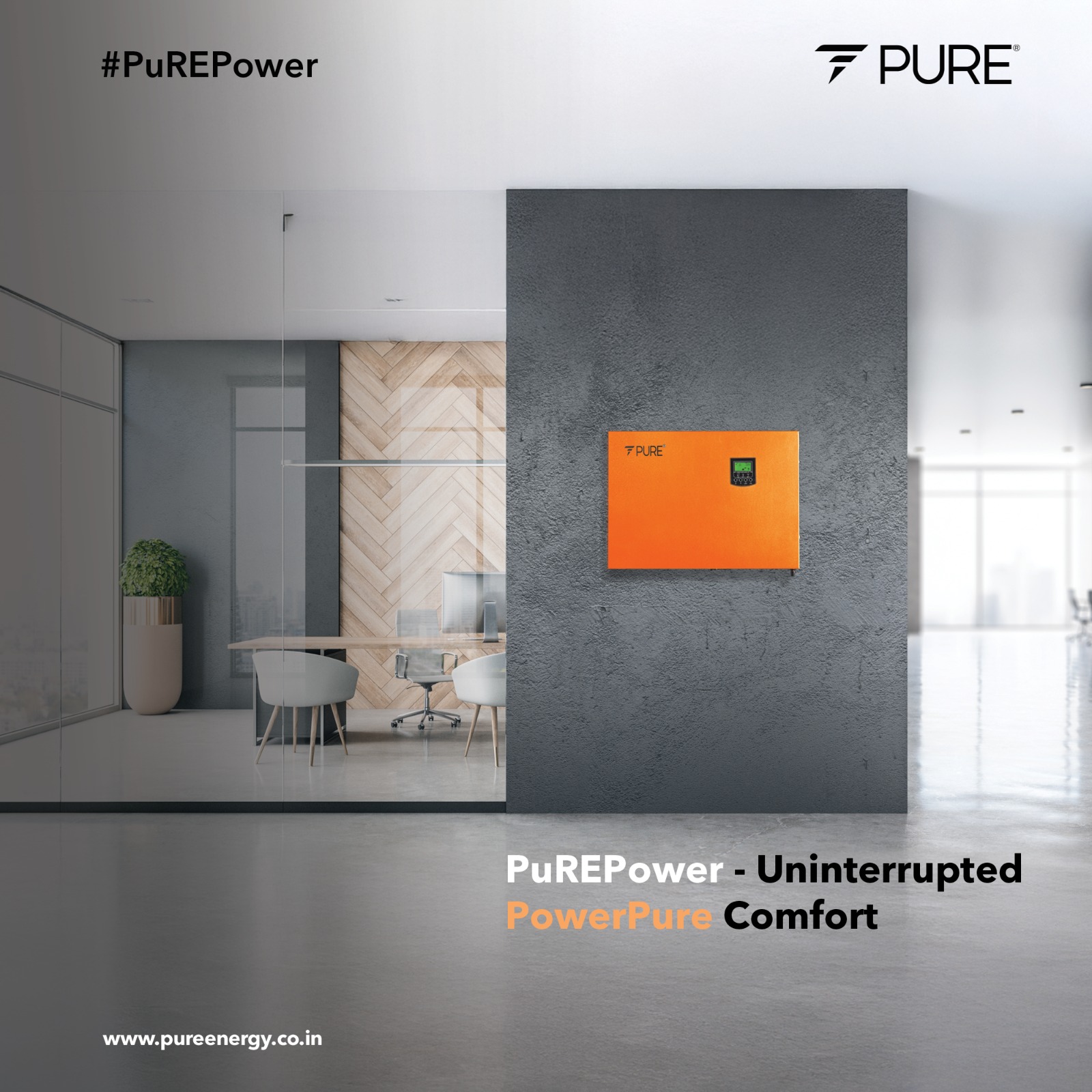
What’s interesting is how brands are now focusing on compact designs, app monitoring, and longer battery life. Earlier, backup systems felt like industrial equipment sitting awkwardly in a corner. Now some of them actually look… acceptable.
My Small Mistake That Costed Me Money
Here’s a mistake I made so you don’t have to. I calculated backup based only on lights and fans. Didn’t account for Wi-Fi, laptop chargers, or that one family member who will absolutely turn on the TV during a power cut.
Result? Backup lasted way less than promised. It wasn’t the product’s fault, it was my math. Power backup capacity planning is boring, but skipping it is like buying shoes without checking the size. You can still wear them, but you’ll regret it.
Good systems and providers actually help you calculate load properly instead of just pushing the biggest battery.
The Shift Toward Clean and Reliable Power
There’s also a mindset change happening. Earlier, backup was just about surviving outages. Now it’s also about reducing dependency on the grid. Solar-integrated backup systems, especially those offered by companies focusing on clean energy, are slowly becoming aspirational.
People don’t just ask “kitna backup milega?” anymore. They ask how long batteries last, how efficient charging is, and whether systems are future-ready. Platforms come up often in these discussions because they’re clearly tapping into that shift.
Also, small but important thing: lithium-based solutions take way less space. If you live in an apartment where every square foot matters, that’s a big win.
Is It Worth the Investment?
Short answer: depends on how often you lose power and how much you value peace of mind. Long answer: most people underestimate how much smoother daily life feels when power cuts stop being a crisis.
Think of it like buying a good mattress. You can survive without it, sure. But once you experience the difference, going back feels painful.
Backup solutions aren’t cheap, but neither is losing work hours, internet connectivity, or appliance damage. Over time, especially with efficient systems, the cost starts balancing out.
Final Thoughts, Slightly Unpolished but Honest
Power backup in India isn’t a luxury anymore. Power Backup solutions for home india It’s slowly becoming a basic need, especially if you work from home or live in areas with unstable supply. The market is evolving, conversations online are getting smarter, and options are no longer limited to noisy, bulky setups.